Fanatics: Shop NFL, NBA & MLB
4.77.52KReviews
Analysis ByAppCompare
I found Fanatics: Shop NFL, NBA & MLB most useful when I treated it as a shared sports-shopping and information app rather than just another team-store shortcut. On one phone, it can serve the person checking a game, the fan comparing jerseys, and the household member trying to use rewards or shipping benefits. That combination makes it more practical than a basic league-news app, but it also means account boundaries and purchase decisions deserve a little attention.
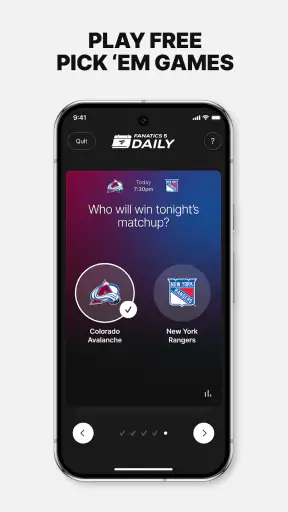
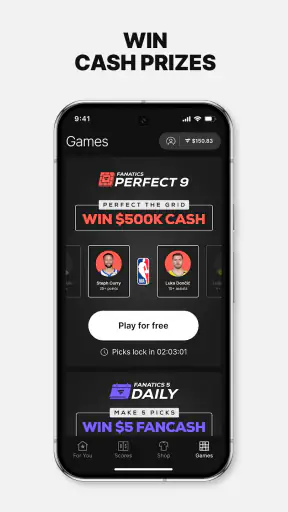
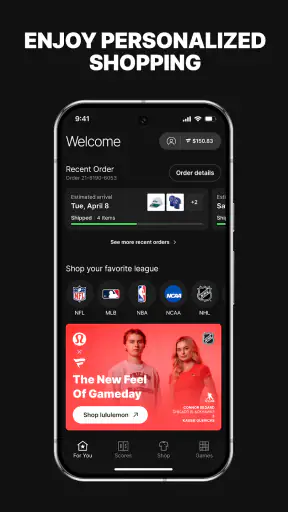
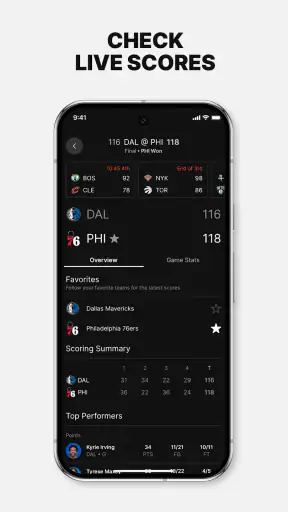
Developed by Fanatics, Inc, this free Sports app brings together merchandise shopping for major American sports, including NFL, NBA, and MLB, while also offering scores, game information, and rewards. I like that mix because it reduces the need to jump between a sports app and a separate retailer when I am already thinking about a team or player. The experience is clearly aimed at mature users, and the app is marked Mature 17+, so I would not treat it as a child-focused shopping tool.
The app has been around since Nov 5, 2013, and its current version is 4.54.0. Its 4.7 average from around 50 thousand ratings and more than 1 million installs suggest that it has built a substantial audience. Those figures do not replace personal testing, though. The real question is whether its blend of shopping, live sports context, and rewards fits the way you and the other people in your home actually use a phone.
How Fanatics Works in a Shared Household
One device, several very different reasons to open it
A realistic household example is easy to imagine. I might open the app before a game to check the schedule or score, while someone else uses the same device later to look at a team jersey. A third person may be interested in rewards rather than merchandise. Because those activities sit close together, the app can become a convenient shared reference point during a busy sports day.
That convenience is strongest when everyone is browsing the same general sports world. An NFL fan can look for apparel, a basketball follower can switch attention to NBA products, and a baseball fan can use the same installation without learning a completely different retail app. I found that useful for households where sports interests overlap but are not identical.
The trade-off is that a shared device makes browsing less private. Search activity, viewed products, and any account state visible on the screen can reveal what another person is considering. That may be harmless when someone is openly choosing a cap, but it matters if the device is used to plan a surprise gift. I would browse privately or use a personal device when the purchase is meant to remain secret.
Shopping and scores serve different moments
The shopping side is naturally deliberate: I compare team identity, apparel type, and whether an item is suitable for everyday wear or game day. The scores and game information are more immediate. They give me a reason to return even when I am not ready to buy anything, which is a meaningful difference from a retailer that only becomes useful when I already know what I want.
Still, I would not use it as my only sports source for every purpose. A dedicated score app is often better when I want highly focused live tracking across many leagues, while an official team or league app may be preferable for fans who want a narrower stream of team-specific content. Fanatics makes more sense when sports updates and merchandise belong in the same routine.
A practical way to share the phone
In my experience, the simplest household habit is to separate browsing from checkout. Let everyone explore products and sports information, but pause before entering payment or delivery details. This avoids the common shared-device mistake of one person assuming that a product in the cart is merely being saved for later when another person thinks it is ready to purchase.
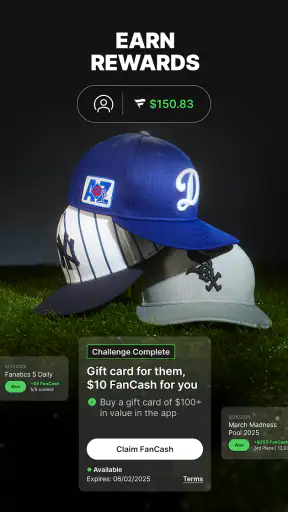
I would also check which account is active before using rewards or proceeding toward an order. Rewards are personal in practical terms, even when the phone is shared. Mixing one household member’s account activity with another person’s purchase intention can create confusion about who receives the benefit, who should review the order, and which details are being used.
What the free price changes
There is no purchase price for installing the app, which lowers the barrier for casual sports fans. I can try the scores and shopping experience without committing to a subscription simply to see whether it fits my habits. That is especially helpful on a family device where not every user will become a regular shopper.
Free installation does not make every purchase decision effortless. Merchandise still requires attention to the item, size, team, and delivery information shown during the shopping process. I would not confuse free access to the app with free products. The useful benefit is being able to compare and browse without paying for the software itself.
Setup boundaries matter more than technical complexity
The initial setup is less about configuring a complicated sports dashboard and more about deciding how the app will be used. On a personal phone, I can let my own shopping and rewards activity remain consistent. On a shared phone, I would establish a simple rule: the person who is signed in is the person whose account activity is being performed.
That boundary is important because a retailer-linked app carries more consequence than a neutral score screen. A wrong tap in a news app may only change what I see. A wrong account or checkout action can affect rewards, delivery details, or the intended recipient of an order. I therefore recommend treating account switching as a deliberate step, not something to do casually while passing the phone around.
The app runs on operating system version 10 or later. For a household with an older phone, that requirement should be checked before planning around the app. If the shared device cannot install it, a browser or a separate sports app may be the more practical fallback, although that will not reproduce the same combined experience.
Keep personal shopping separate from casual browsing
One useful workflow is to let a family member browse products without signing into another person’s account. Once the household has agreed on an item, the intended buyer can take over for the account-specific part. This reduces accidental use of someone else’s rewards and makes it clearer who is responsible for reviewing the final details.
I also prefer to compare an item while calm rather than during the excitement of a close game. Sports apps are good at creating an emotional moment: a big win can make a new jersey feel urgent. Waiting briefly gives me time to decide whether the product is genuinely wanted or simply connected to the mood of that evening.
Coordination without pretending the app is a family organizer
Fanatics can support household coordination, but I would not mistake it for a shared family planning system. Its value is that several people can refer to the same sports and shopping environment. It does not replace a family calendar, a group chat, or a clear agreement about who is buying what.
For a birthday or holiday gift, I would coordinate outside the app and use the app only for the relevant shopping step. That keeps the surprise conversation separate from visible browsing. For a shared team wardrobe, I would decide the team and product type first, then use the app to compare choices. This prevents a long, unfocused scroll from becoming the household’s entire decision process.
Another practical tip is to use the sports information as a timing aid rather than as a shopping trigger. Checking a score can tell me whether this is a good moment to talk about a team gift, but it should not automatically lead to a purchase. Separating those two actions makes the app feel more useful and less impulsive.
Rewards are helpful, but they need an owner
The rewards element can make repeat use more appealing, particularly for someone who regularly shops for sports apparel. In a shared household, however, the reward balance or activity should be treated as belonging to the account holder. I would avoid making informal promises such as “we can all use that later” unless everyone understands how the account is being managed.
This is one of the app’s less obvious household trade-offs: a shared screen does not create a shared account. The phone may be communal, but the shopping history and rewards activity can still be tied to one person’s decisions. Keeping that distinction clear prevents arguments later, especially when several family members support different teams.
Age context and trust
The Mature 17+ label is important in a household with teenagers or younger children. I would not hand the device to a child and assume that a sports-shopping app is automatically suitable simply because much of the content concerns jerseys and scores. The app involves retail activity, account use, and potentially purchase-related decisions, so an adult should remain responsible for the shopping side.
For older teenagers, the right approach depends on the household’s trust and payment arrangements. Browsing team gear together can be perfectly reasonable, while checkout should remain with the person authorized to buy. I would also explain that a product page is not the same thing as permission to order it. That conversation matters more than simply placing the app on a shared home screen.
Adults who are comfortable with online shopping will probably find the app straightforward to evaluate. People who are less confident with account details may prefer to browse together and have the final buyer review everything aloud. That is not a criticism of the app; it is a sensible safeguard whenever sports enthusiasm and retail decisions meet.
Where it beats the usual alternatives
Compared with a standalone team-news app, Fanatics gives me a direct path from sports interest to merchandise browsing. I do not have to remember which retailer carries a particular kind of fan gear after checking a game. Compared with a general marketplace, it feels more focused on the sports-fan context, especially when I already know the league or team I want to explore.
Compared with a dedicated score tracker, it is less specialized. If my priority is rapid score checking across a wide range of competitions, I would choose a sports-first tool. If my priority is comparing team apparel while keeping an eye on games, the Fanatics combination is more convenient. The best choice depends on whether shopping is a central part of the sports routine or merely an occasional need.
There is also a difference in household clarity. A score app is usually easy to pass around because it has little account consequence. A shopping app requires more care. Fanatics is therefore better for a household that can agree on account ownership and checkout responsibility than for a home where everyone taps freely on one shared profile.
Who will get the most from it
I would recommend it to fans who follow NFL, NBA, or MLB and want one place for sports context and official-looking team merchandise browsing. It is particularly suitable for someone who buys gifts, checks scores before deciding what to wear, or returns to sports shopping often enough for rewards to matter.
It is also a good fit for a couple or family that shares sports interests but wants different teams or leagues represented. The broad coverage makes that arrangement less awkward than maintaining a separate retailer for every interest. The free installation makes experimenting easy, and the large existing user base gives the app a reassuring sense of maturity without guaranteeing that every individual will love its workflow.
Who should choose something else
I would skip it as a primary app if I never shop for sports merchandise and only want the fastest possible score updates. In that case, the retail layer may feel like extra material around a much smaller need. I would also look elsewhere if I want a deeply customized sports dashboard or a single-team experience rather than a multi-league shopping environment.
It may not be the right household choice when no one wants to manage account separation. The app is not at fault for the complications of a shared phone, but shopping and rewards become less comfortable when users cannot agree on who is signed in. A personal device or a browser-based buying routine may be cleaner for households with strict privacy expectations.
My household verdict
After using it as both a sports reference and a shopping destination, I see Fanatics as most successful when its two roles are kept clear. It is convenient to check a game and then explore team gear, and the rewards layer gives regular users another reason to return. The app’s free access and broad sports focus make it easy to try, while its Mature 17+ context means adults should guide shared-device use.
My strongest advice is to create a simple boundary before anyone shops: browsing can be communal, but accounts, rewards, payment details, and checkout belong to a clearly identified person. That one habit removes much of the friction I experienced when imagining a busy household using the same phone.
My final recommendation is positive for sports households that want merchandise and game information together, but conditional for score-only fans and shared devices with unclear account ownership. If your home can coordinate those boundaries, Fanatics is a convenient companion for following NFL, NBA, and MLB interests. If not, a focused score app or a personal shopping setup will probably feel calmer and more predictable.
FAQ
What is Fanatics: Shop NFL, NBA & MLB?
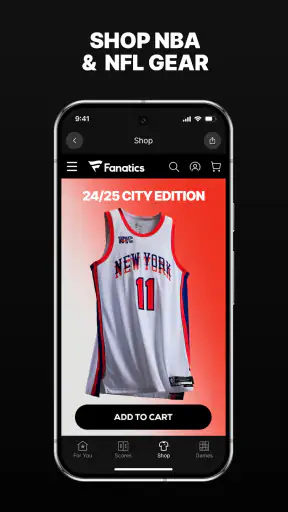
Fanatics: Shop NFL, NBA & MLB is a sports merchandise shopping app for fans who want to browse and purchase officially licensed apparel, jerseys, hats, collectibles, memorabilia, and other team products. The app brings merchandise from major professional leagues and teams into one storefront, making it easier to shop by sport, team, player, category, or current promotions.
What sports leagues and products are available in the Fanatics app?
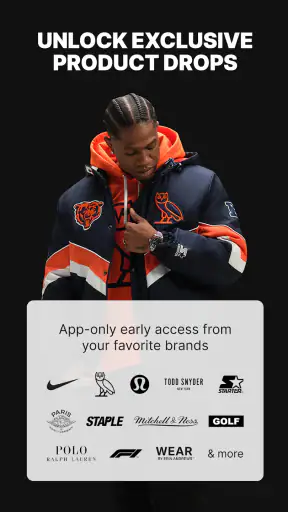
The app focuses on popular American sports, including the NFL, NBA, and MLB, while availability may also extend to other leagues, teams, and sporting events depending on your location. During testing, the catalog included jerseys, shirts, hoodies, jackets, caps, footwear, collectibles, and fan accessories. Product selection, sizes, personalization options, and stock can change frequently.
Is the merchandise sold through Fanatics officially licensed?
Fanatics generally sells officially licensed merchandise from the leagues, teams, and brands displayed in its store, which is one of the app’s main advantages over unofficial marketplace listings. However, shoppers should still check the individual product page for licensing information, manufacturer details, personalization notes, and whether an item is authentic game-worn, replica, or simply fan apparel before completing an order.
How do shipping, returns, and order tracking work?
Shipping methods, delivery estimates, costs, and return conditions depend on the product, destination, seller, and whether an item is personalized or made to order. The app normally provides order information and tracking after checkout, but estimated dates are not always guaranteed. Before purchasing, review the current shipping policy and return rules carefully, especially for customized merchandise, clearance items, international orders, and products with limited return eligibility.
Is Fanatics: Shop NFL, NBA & MLB free to download and safe to use?
The Fanatics app is generally free to download, although you must pay for merchandise, shipping, taxes, and any applicable fees when placing an order. It typically requires an account or checkout information to complete purchases and may request permissions related to notifications, location, or app functionality. Download it from the official Google Play Store or Apple App Store, and review privacy, payment, and account settings before shopping.
Pros
- Official merchandise from major leagues and teams
- Frequent sales
- promotions
- and limited-edition releases
- Useful order tracking and delivery updates
- Supports multiple payment methods at checkout
- Easy access to collectibles
- jerseys
- and fan gear
Cons
- Prices can be high for premium jerseys and collectibles
- Popular sizes and items may sell out quickly
- Shipping costs vary and can increase for international orders
- Returns may involve specific conditions or restocking rules
- App experience may feel crowded during major sporting events